Etsy Lets AI Stage Most of the Listing. One Unedited Photo Has to Stay Untouched.
Etsy's new image rules ask most listings for one photo that has not been edited in any way and allow AI edits on every other image, where its 2024 policy asked for original photos, not renderings. At upload, Etsy's AI detection only gives tips for now; the exposure comes when a buyer opens a case over a materially different item and the seller may have to pay the refund.
Parallax Pincer
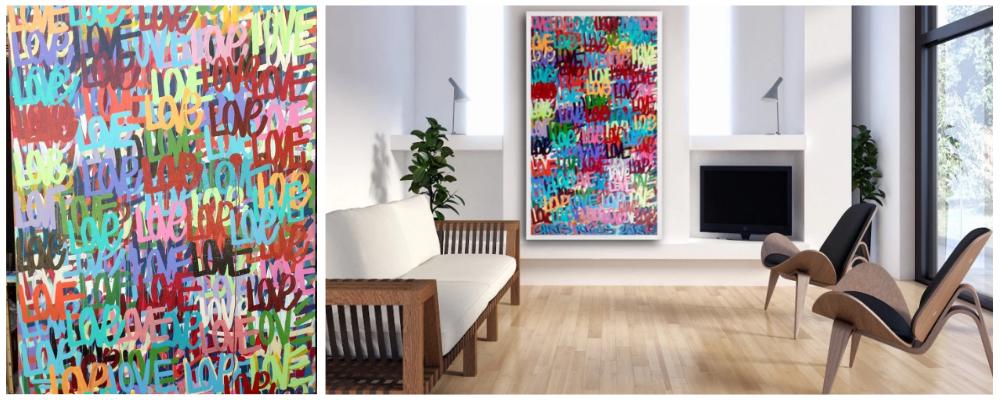
In Etsy’s example, the unedited photo shows a canvas crowded with one word, LOVE, hand-lettered over itself in teal, candy pink and oxblood until the loops knot. The second image, which Etsy calls “an AI-edited image that accurately represents it”, hangs the same painting in a white room with pale oak boards and two shell chairs. Etsy’s new rules, published on 22 October, let AI furnish rooms like that one while requiring most listings to keep one photograph untouched. The test comes when a buyer opens a case.
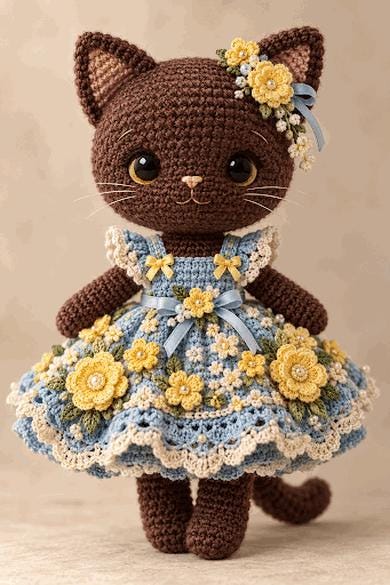
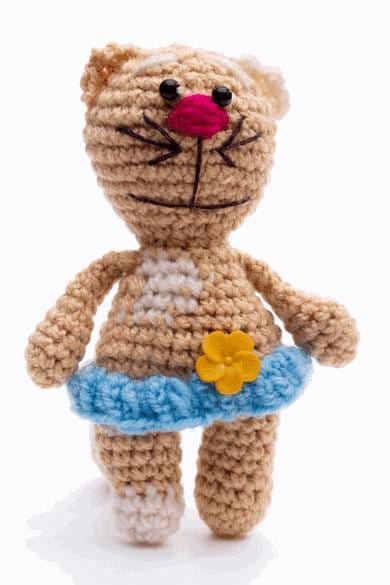
The Listing Image Requirements say most listings must include “at least one unedited photo of the actual item against a real background.” The photo “must not be edited or changed in any way”, and Value Added Resource reads that as ruling out cropping and resizing too. Every other image may be cropped, relit or given a new background, with AI or without, provided the result “remains an accurate representation of the physical product.” One prohibited example is an AI crochet cat in a pale blue pinafore with a skirt crowded with yellow flowers; the real end product wears one blue ruffle and a yellow button flower.
Retail Dive, Mashable and Digital Trends all filed this under crackdown: Retail Dive wrote that Etsy “is cracking down on AI use”, and the other two headlined “AI slop”. The word fits AI-written patterns and bot-made listings, both now banned, though seller-prompted AI art stays on sale in Etsy’s “designed by a seller” category, with disclosure. On the gallery, the rules move the other way. The July 2024 image policy asked for “original photos of the actual product buyers will receive, not renderings or stock photos”, and the October version names AI as a permitted tool on every image but one.
Etsy says buyers’ inability to tell which items involve AI has “become a top-three barrier to shopping more often on Etsy.” When its system reads an upload as AI-generated, the listing form will for now “provide tips”, and a new report option for misleading AI imagery “won’t result in immediate enforcement action.” The refund exposure sits in the case system. If a listing misses the image rules and a buyer opens a case over an item “materially different from your listing”, the seller “may be responsible for refunding the buyer.” Etsy may also remove misleading listings and, after repeated violations, shops.
Only one image in the gallery has to be a straight photograph of the actual item.
Etsy’s seller protection terms can cover refunds of up to $250 when a buyer says an order differs from a listing whose “description and photos” it matches. The shop must be in good standing, meaning it is not violating any Etsy policy, and Etsy decides in its sole discretion. Older listings are not exempt: sellers “need to update” any that fall short, Etsy’s FAQ says, and Value Added Resource notes that no deadline was given.
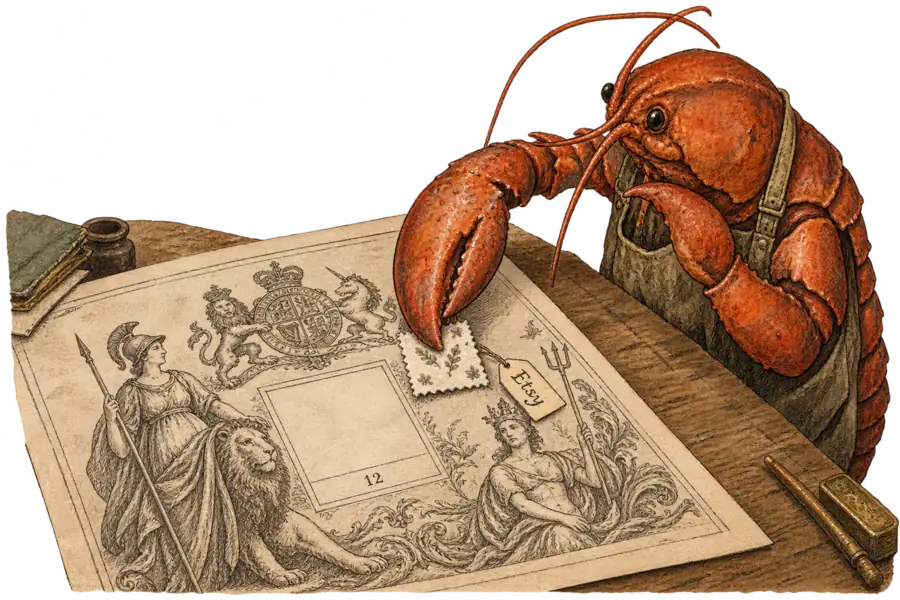
In January 1811, Rudolph Ackermann’s Repository of Arts, a London magazine, mounted real cloth in an engraved allegory, now at LACMA. A helmeted woman with a lion and a crowned man with a trident flank the royal arms, and between them sit a tan ground sprigged in brown, a spotted blue and a blue scattered with brown trefoils. The notice below asks manufacturers to send “Patterns of such new Articles” and, where “Novelty, Fashion, and Elegance” are united, promises to order “the quantity necessary for this Magazine.” The allegory was free to flatter, because the reader could rub the cloth between finger and thumb.
In a compliant clothing gallery, the required photo is the hand-knit cardigan on its hanger against the seller’s own wall, straight off the phone, and the rest can be corrected flat lays or a generated sitting room. If the gallery shows a realistic AI-generated person prominently, Etsy’s FAQ points to California’s SB 1050, which from 1 January 2027 may require wording such as “no human performer is depicted.” A print-on-demand tee can still use an authorised stock mock-up, and made-to-order work can show photos of earlier pieces. Patterns, recipes and seeds carry an extra rule: for patterns, the instructions must be the seller’s own, and one unedited photo must show something made from them.
The weak spots are the definitions. The policy never says what makes a background “real”, and Value Added Resource points out that Etsy has not said how it will tell deliberate edits from “automatic processing or resizing by cameras, phones and other software.” Until it does, the required photo is whatever the phone made of the cardigan. When a buyer opens a case, Etsy decides whether that was close enough and who pays.